Source mini rocker switch for appliances, machinery, and vehicles
Compare 30 mini rocker switch options from verified suppliers. Buyers can evaluate specifications like voltage ratings, electrical life, and certifications to find the right component for appliances, machinery, or vehicles.
Key considerations
Products List




Comprehensive Sourcing Guide
Mini Rocker Switch Sourcing Guide
Sourcing mini rocker switches requires a disciplined approach to technical verification and supplier qualification, as these components serve as critical interface points in a wide array of electronic and electrical systems. The market offers a diverse range of configurations, from simple single-pole on-off mechanisms to complex multi-control switches with built-in amplifiers or power modules. Buyers must navigate this variety by focusing on precise electrical ratings, mechanical durability, and regulatory compliance rather than relying on generic product descriptions. This guide provides a structured framework for evaluating suppliers, interpreting technical data, and ensuring that the selected components meet the specific operational demands of your final assembly.
The procurement process for these switches is characterized by significant variability in minimum order quantities (MOQs) and pricing structures, which can impact supply chain flexibility and cost efficiency. Observed market data indicates that MOQs typically range from 20 to 2,000 units, allowing for both prototyping and large-scale production runs, while unit prices generally fall between $0.02 and $4.00 USD depending on complexity and certification requirements. Understanding these commercial dynamics is essential for negotiating favorable terms and aligning supplier capabilities with your production volume needs. By establishing clear technical and commercial baselines early in the sourcing process, buyers can mitigate risks associated with component failure, supply delays, and non-compliance with international safety standards.
Product Scope and Observed Listing Signals
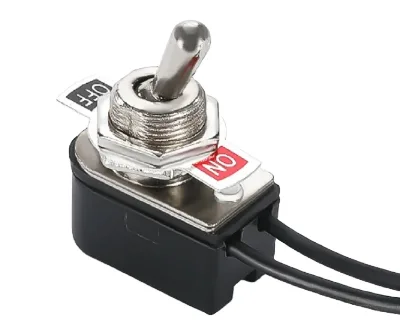
The product landscape for mini rocker switches encompasses a broad spectrum of functionalities, including standard on-off switches, change-over switches, and specialized control buttons for reset, check, or playback operations. Listings often highlight specific structural variations, such as amplifier-built-in or power-built-in types, which integrate additional electronic functions directly into the switch mechanism. These variations cater to applications ranging from consumer toys and digital products to industrial machinery and vehicle electronics. Buyers should carefully review the "Usage" and "Structure" attributes to ensure the switch aligns with the intended control logic and environmental conditions of the end product, avoiding mismatches that could lead to system instability or premature failure.
Market listings frequently provide detailed electrical and mechanical specifications that serve as primary indicators of product quality and suitability. Key attributes to observe include the contact type, such as Type A or Type B contacts, and the detection method, which may be retro-reflective or correlation-based for specialized sensing applications. The brand presence, including manufacturers like FUJI, PIONEER, and saipwell, can offer insights into the supply chain's maturity and reliability. However, buyers must treat these brand mentions as observations rather than guarantees of performance, verifying that the specific model numbers, such as FBS2115 or Smrs-102-1, correspond to the exact technical requirements of the project. Cross-referencing these identifiers with supplier datasheets is crucial to confirm that the physical dimensions, actuation force, and terminal configurations match the design constraints.
Technical Specifications to Verify
Electrical ratings are the most critical technical parameters to verify, as they determine the switch's ability to handle the load without degradation or failure. Buyers must confirm the rated voltage and current, which commonly appear as 6A at 125VAC or 3A at 250VAC, ensuring these values exceed the maximum operating conditions of the connected circuit. Additionally, the insulation resistance, typically specified at 500VDC, and the dielectric strength, often rated at 1500VAC for one minute, are essential for ensuring safety and preventing short circuits or electrical leakage. These parameters must be validated against the specific voltage spikes and current surges expected in the application, particularly in inductive loads or high-frequency switching environments.
Mechanical and environmental durability specifications provide insight into the switch's lifespan and reliability under varying operating conditions. The electrical life, often cited as 10,000 cycles, indicates the number of actuations the switch can endure before contact resistance exceeds acceptable limits, which is typically capped at 35 milliohms. Operating temperature ranges, such as -30°C to +80°C or -55°C to +85°C, define the thermal boundaries within which the switch can function safely. Buyers should also consider the physical construction, including the presence or absence of indicator lamps, the color of the actuator, and the weight of the component, as these factors can influence the user experience and the overall weight budget of the final product. Verifying these details through sample testing is recommended to ensure consistency with the stated specifications.
Compliance and Safety Documentation
Regulatory compliance is a non-negotiable aspect of sourcing mini rocker switches, particularly for products destined for regulated markets such as North America, Europe, and Asia. Certifications such as CCC, CE, UL, and ISO are frequently listed, indicating that the components have undergone testing for electrical safety, electromagnetic compatibility, and quality management systems. Buyers must request valid certification documents and verify their authenticity with the respective issuing bodies, as counterfeit or expired certificates are a common risk in the global supply chain. The presence of these certifications not only ensures legal compliance but also provides a layer of assurance regarding the manufacturer's commitment to quality and safety standards.
Environmental standards, particularly RoHS compliance, are increasingly important for electronic components due to restrictions on hazardous substances. Buyers should confirm that the switches meet the relevant RoHS directives, which limit the use of lead, mercury, cadmium, and other toxic materials. This verification is crucial for maintaining the environmental integrity of the final product and avoiding potential bans or penalties in markets with strict environmental regulations. Additionally, the production origin, often listed as China or Ningbo, should be considered in the context of trade policies and tariffs, as these factors can impact the total landed cost and supply chain resilience. Ensuring that all documentation is up-to-date and accurately reflects the current production batch is essential for maintaining compliance throughout the product lifecycle.
Cost Drivers and Commercial Terms
The pricing of mini rocker switches is influenced by several factors, including the complexity of the design, the materials used, and the level of customization required. Basic single-pole on-off switches with standard ratings tend to be at the lower end of the price spectrum, while multi-control switches with built-in amplifiers or specialized certifications command higher prices. Buyers should analyze the cost structure in relation to the volume of their orders, as economies of scale can significantly reduce unit costs for larger MOQs. Understanding these cost drivers allows for more accurate budgeting and helps in identifying opportunities for cost optimization without compromising on quality or performance.
Commercial terms, including payment methods, shipping arrangements, and lead times, play a significant role in the overall procurement strategy. Suppliers may offer flexible payment terms for established relationships, but new buyers should expect standard terms such as advance payment or letters of credit. The packaging, often described as standard export cartons, should be evaluated for its ability to protect the switches during transit, especially for high-volume orders. Buyers should also clarify the lead times for production and delivery, as delays can disrupt manufacturing schedules and impact customer satisfaction. Negotiating clear terms regarding warranty, returns, and defect rates is essential for mitigating financial risks associated with component failures or supply chain disruptions.
Supplier Qualification and Quality Control
Supplier qualification is a critical step in ensuring the reliability and consistency of mini rocker switch supplies. Buyers should assess the supplier's manufacturing capabilities, quality control processes, and track record in the industry. This includes verifying the supplier's ability to maintain consistent electrical and mechanical performance across production batches, as well as their capacity to meet volume requirements without compromising quality. Engaging with suppliers who have a proven history of delivering compliant products and maintaining strong customer relationships can reduce the risk of supply chain issues and ensure a smoother procurement process.
Quality control measures should be implemented at various stages of the procurement cycle, from initial sampling to final delivery. Buyers should request samples for rigorous testing to verify that the switches meet all specified technical and compliance requirements. This testing should include electrical life cycle tests, temperature cycling, and mechanical durability assessments to simulate real-world operating conditions. Additionally, implementing incoming quality control checks upon receipt of goods can help identify any defects or discrepancies early in the process. Establishing a clear communication channel with the supplier for addressing quality issues and implementing corrective actions is essential for maintaining high standards and ensuring long-term partnership success.
Long-Term Procurement Checks
Long-term procurement success depends on continuous monitoring and evaluation of supplier performance and product quality. Buyers should establish key performance indicators (KPIs) to track metrics such as on-time delivery, defect rates, and responsiveness to issues. Regular audits and reviews of the supplier's quality management systems can help identify potential risks and areas for improvement before they impact production. By maintaining a proactive approach to supplier management, buyers can ensure a stable supply of high-quality mini rocker switches and mitigate the risks associated with component failures or supply chain disruptions.
Adapting to changes in technology, regulations, and market conditions is essential for maintaining a competitive edge in the procurement of mini rocker switches. Buyers should stay informed about emerging trends in switch technology, such as the integration of smart features or the adoption of new materials for improved durability. Additionally, keeping abreast of changes in regulatory requirements and certification standards is crucial for ensuring ongoing compliance. By fostering a collaborative relationship with suppliers and maintaining a flexible procurement strategy, buyers can navigate these changes effectively and secure a reliable supply of components that meet the evolving needs of their products.
FAQs
What certifications are available for mini rocker switches?
Available certifications include CCC, CE, UL, and ISO for specific models. These ensure compliance with international safety standards. Buyers should verify the exact certification list for each product model before ordering to meet regional regulatory requirements.
Can I request customization for these switches?
Customization is available for mini rocker switches to meet specific design needs. Buyers can request tailored features while maintaining core electrical performance. Contact suppliers directly to discuss specific customization options and potential impacts on lead time or pricing.
What is the typical operating temperature range?
The operating temperature range typically spans from -30 to +80 degrees Celsius for many models. Some variants support a wider range up to -55 to +85 degrees Celsius. Ensure the selected switch matches the environmental conditions of your intended application.
Which electrical ratings are common for these switches?
Common electrical ratings include 6A at 125VAC or 3A at 250VAC. Some models support lower currents like 5mA for specific signal applications. Always check the specific product datasheet to confirm the rated voltage and current for your circuit design.
How many switches are included in the unit?
Units may feature double control switches or multi-control switch configurations depending on the model. Single-pole on-off switches are also available. The number of switches determines the control complexity and should align with your system's operational requirements.
What is the minimum order quantity for these products?
The minimum order quantity ranges from 20 to 2000 units based on the specific product and supplier. Lower MOQs allow for smaller trial orders while higher volumes may offer better pricing. Verify the exact MOQ with the supplier before finalizing your purchase plan.
Where are these mini rocker switches manufactured?
Manufacturing origins include Ningbo and other locations in China. Products are typically packed in standard export cartons for safe shipping. Knowing the origin helps in assessing logistics costs and supply chain reliability for your specific sourcing needs.